

As changing weather patterns bring more severe summer heatwaves, proactive vehicle maintenance has evolved from a simple chore into a critical safety requirement. Intense heat rapidly accelerates component wear, drains essential fluids, and puts immense pressure on automotive parts not originally built for such extreme conditions. Neglecting to prepare your car for the summer transition heavily increases the risk of unexpected breakdowns, mechanical failures, and dangerous tire blowouts on blistering roads. Protecting your vehicle from these rising environmental stressors demands a strategic, preventative approach.
Combating Extreme Heat and Defending Against Thermal Damage
- Battery Performance Check: Extreme summer heat accelerates internal corrosion and drives up fluid evaporation within your battery. Scheduling a professional diagnostic test ensures you maintain maximum cranking power to prevent getting stranded.
- Belts and Hoses Inspection: High temperatures cause rubber hoses and belts to dry out, split, or stretch. This structural wear can result in an unexpected failure of your alternator or cooling system.
- Air Conditioning Evaluation: Check your climate control system ahead of time to identify minor leaks or poor airflow, helping you avoid long service center wait times during the peak of summer.
- Thermal Barrier Protection: Cabin temperatures can quickly surpass 110°F, even on relatively mild days. Placing premium sunshades in your windows protects fragile dashboard electronics and cabin upholstery from harsh UV damage.
Tire Safety and Summer Performance Guidelines
- Cold Inflation Calibration: Regularly monitor tire pressure with an accurate gauge when the rubber is "cold"—meaning the car has rested for a minimum of three hours or traveled under a mile.
- Adhering to Recommended PSI: Always follow the vehicle manufacturer's target PSI found on the driver's door pillar or in your owner's manual, instead of filling to the maximum limit printed on the tire sidewall.
- Structural Health Inspections: Frequently examine your tires for any heat-related degradation, such as sidewall cracks, uneven wear patterns, punctures, or hazardous air bubbles.
- Load Limits and Alignment: Traveling at high speeds or hauling heavy loads places extra stress on tires when roads are hot. Getting a professional wheel alignment promotes uniform tread wear and improves overall road safety.
Maximizing Fluid Quality and Cooling System Integrity
- Cooling System Optimization: Verify that the radiator, water pump, and thermostat are all functioning perfectly. Be sure to use high-grade coolant with an elevated boiling point to protect the engine from overheating.
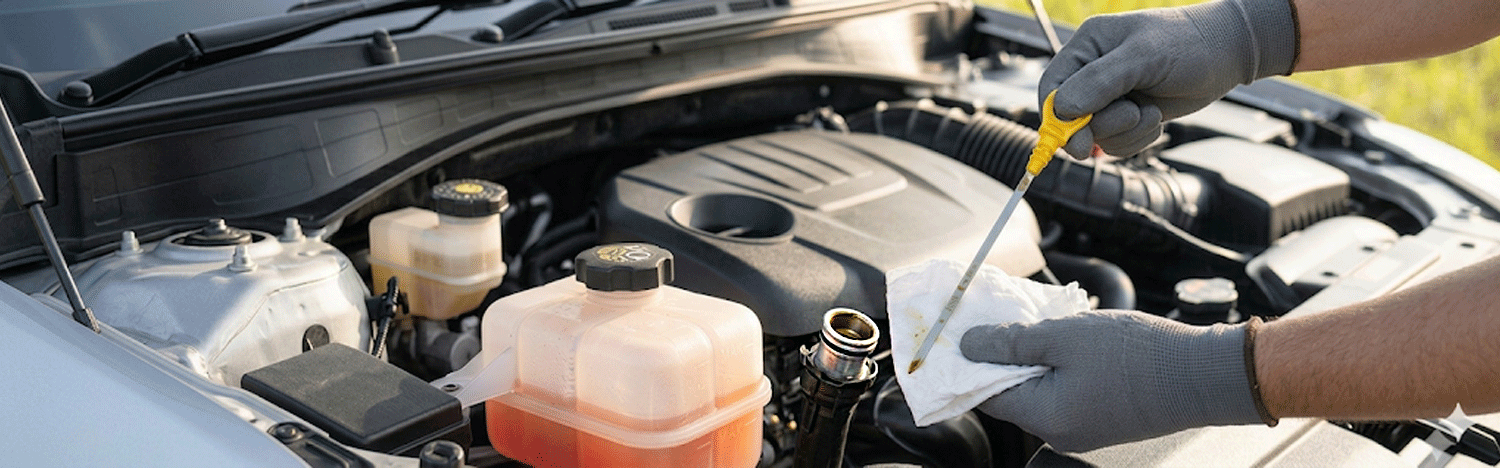
- Fluid Level Audits: Regularly inspect critical under-hood fluids—including motor oil, brake fluid, and transmission fluid—to ensure they are clean and topped off to the proper levels.
- Visibility Refresh: Swap out wiper blades that were degraded by winter conditions to guarantee optimal visibility during intense summer downpours, and remember to fill up your washer fluid reservoir.
- Corrosion and Rust Prevention: Wash your vehicle's underbody thoroughly to clear away any remaining winter road salt and grime. Also, fix any exposed paint chips, as summer humidity and heat can quickly turn them into rust.
Schedule Your Seasonal Service
Avoid letting harsh summer temperatures leave you stranded on the side of the road. Secure your full vehicle maintenance check at the Reliable Subaru Service Center today. Beat the seasonal rush and make sure your vehicle is completely prepared for the demanding weather ahead. Contact our Subaru team now to get started.